Your Ultimate Festival Passport: 15 Cultural Celebrations Around the US You Need to Experience at Least Once
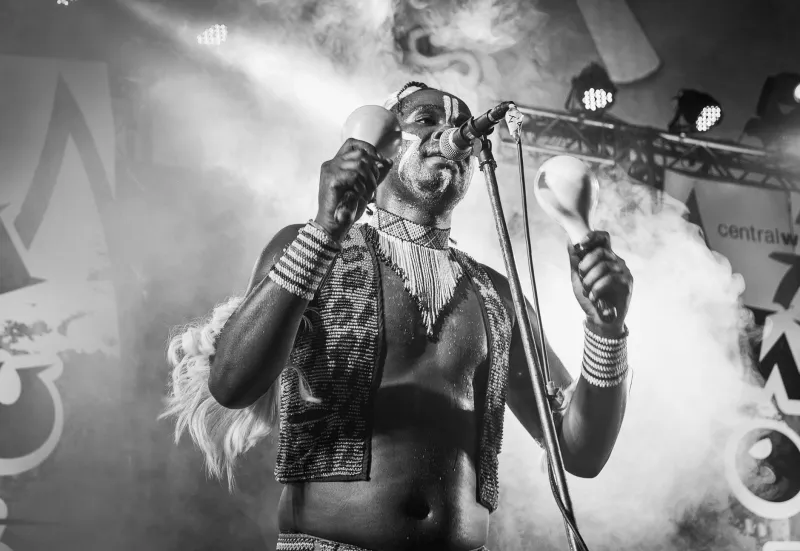
Photo: Carnaval.com Studios from The Inner Mission San Francisco, Earth, CC BY 2.0, via Wikimedia Commons
Here's the thing about living in the United States: you don't need a passport to experience the world. From the bayous of Louisiana to the streets of Dearborn, Michigan, communities across this country are keeping centuries-old traditions alive and sharing them with anyone curious enough to show up. Festival season is your invitation to do exactly that.
We've put together a guide to 15 cultural celebrations — some massive, some wonderfully under-the-radar — that offer genuine, community-rooted cultural immersion. Pack comfortable shoes, bring your appetite, and maybe learn a word or two in a new language before you go. Trust us, it'll be appreciated.
1. Lunar New Year Celebrations — San Francisco, CA
When: Late January to mid-February (date varies by year)
San Francisco's Chinatown hosts one of the oldest and largest Lunar New Year parades outside of Asia, drawing over a million spectators annually. Beyond the iconic Golden Dragon Parade, look for the Miss Chinatown USA Pageant, cultural performances, and vendors selling everything from tangyuan to handmade paper lanterns. Arrive early and stay late — the energy is electric well past dark.
Don't miss: The Southwest Airlines Grand Parade on the final Saturday of celebrations.
2. Carnival Miami — Miami, FL
When: Early March
Caribbean culture pulses through Miami year-round, but Carnival Miami — centered on Calle Ocho in Little Havana — turns the volume all the way up. What started as a small street party in the 1970s has grown into one of the largest Hispanic festivals in the world, featuring live salsa, merengue, and cumbia performances, along with an extraordinary spread of Cuban, Puerto Rican, and Colombian street food.
Don't miss: The Calle Ocho Music Festival main stage lineup, which consistently draws legendary Latin artists.
3. Diwali on the Square — Washington, D.C.
When: October
The nation's capital lights up beautifully for Diwali, the Hindu Festival of Lights, with a major public celebration near Freedom Plaza. Organized by the Indian-American community, the event features classical and contemporary South Asian dance performances, rangoli art demonstrations, and enough chaat to keep you happily grazing for hours. It's one of the most welcoming events in the city — first-timers are always embraced warmly.
Don't miss: The communal diya (oil lamp) lighting at dusk.
4. New Orleans Jazz & Heritage Festival — New Orleans, LA
When: Late April through early May
Jazz Fest is technically a music festival, but it's also one of the most authentic celebrations of Louisiana's staggering cultural diversity — Creole, Cajun, African, Caribbean, and Indigenous traditions all share space here. The food alone is worth the trip: cochon de lait, crawfish étouffée, Mardi Gras Indian fry bread. Book accommodations months in advance; this one fills up fast.
Don't miss: The Mardi Gras Indian performances, which are spiritually and culturally profound in ways that are genuinely hard to put into words.
5. Arab American National Museum's Arabfest — Dearborn, MI
When: June
Dearborn is home to one of the largest Arab American communities in the country, and Arabfest is the community's biggest annual celebration of that heritage. Held on the grounds of the Arab American National Museum, the festival features traditional music, folk dance performances, Arabic calligraphy workshops, and a food court that will make you question every meal you've had before it.
Don't miss: The hands-on cultural workshops, which are genuinely interactive rather than performative.
6. Greek Festival — Baltimore, MD
When: Memorial Day Weekend
Baltimore's Greektown neighborhood transforms during Memorial Day weekend into a three-day celebration of Hellenic culture that's been running for decades. Expect authentic pastitsio, spanakopita, and loukoumades alongside traditional folk dancing and live bouzouki music. The community genuinely loves introducing newcomers to their culture, so don't be shy.
Don't miss: The cooking demonstrations inside the community center.
7. Chicago Caribbean Carnival — Chicago, IL
When: Late July
Chicago's Caribbean Carnival brings the energy of Trinidad Carnival to the Midwest with an elaborate parade of costumed masquerade bands, steel pan music, and soca performances that stretch for miles. The West Indian diaspora community has been organizing this celebration for over 50 years, and the institutional knowledge shows — it's a beautifully run, joyful event.
Don't miss: The J'ouvert pre-dawn celebration for the truly dedicated.
8. Obon Festival — Los Angeles, CA (Little Tokyo)
When: Mid-August
The Nisei Week Japanese Festival in Little Tokyo is actually a full week of events, but the Obon Festival — a Buddhist tradition honoring ancestors through communal dance — is the emotional heart of it all. The Bon Odori dancing takes place around a central yagura tower, and everyone is welcome to join the circle regardless of experience. It's one of the most genuinely inclusive cultural events we've encountered.
Don't miss: The Ondo dance teaching sessions for beginners held before the main event.
9. Hmong New Year — St. Paul, MN
When: Thanksgiving weekend
Minnesota is home to the largest urban Hmong population in the country, and the Hmong New Year celebration at the St. Paul RiverCentre is a massive, multi-day event that draws tens of thousands of attendees. Traditional courtship ball-tossing games, intricate embroidered textile displays, and beauty pageants sit alongside contemporary Hmong hip-hop performances — a beautiful illustration of a community holding tradition and modernity simultaneously.
Don't miss: The traditional costume competition, which showcases embroidery techniques passed down through generations.
10. Fiesta San Antonio — San Antonio, TX
When: Late April
Fiesta is San Antonio's biggest annual celebration — an 11-day, city-wide party that honors the city's deep Mexican, Spanish, and Indigenous heritage with over 100 events. The Battle of Flowers Parade is the oldest event of its kind in Texas, but the real magic happens in the neighborhoods, where families set up cascarón (confetti egg) stations and backyard celebrations that visitors are often warmly invited to join.
Don't miss: The Night in Old San Antonio event at La Villita Historic Arts Village.
11. Holi Festival of Colors — Spanish Fork, UT
When: Spring (date varies)
The Sri Sri Radha Krishna Temple in Spanish Fork hosts one of the most photographed Holi celebrations in the entire country, drawing visitors from across the US who want to experience the Hindu festival of spring in a joyful, community-centered setting. Color powder flies at regular intervals throughout the day, and the temple community goes out of its way to provide cultural context and welcome newcomers respectfully.
Don't miss: The early morning aarti ceremony before the color throwing begins.
12. Ethiopian Christmas (Genna) — Washington, D.C. & Minneapolis, MN
When: January 7th
The DC and Minneapolis metro areas both have substantial Ethiopian and Eritrean communities, and Genna celebrations offer a rare window into Ethiopian Orthodox Christian traditions. Community centers host cultural programs featuring traditional music, the distinctive gursha (hand-feeding) dining tradition, and coffee ceremonies that are genuinely ceremonial rather than performative. Call ahead to confirm public event details each year.
Don't miss: The Ethiopian coffee ceremony — it's a meditation as much as a beverage.
13. Korean Harvest Festival (Chuseok) — Los Angeles, CA (Koreatown)
When: September (date varies)
LA's Koreatown — the densest Korean American community in the country — celebrates Chuseok with public events that include traditional games like yutnori and neolttwigi, ancestral memorial ceremonies, and an overwhelming array of traditional foods including songpyeon rice cakes. The celebration is a meaningful counterpart to American Thanksgiving in its themes of harvest, family, and gratitude.
Don't miss: The traditional hanbok dress-up stations, which are wildly popular with visitors of all backgrounds.
14. Native Nations Powwow — Albuquerque, NM (Gathering of Nations)
When: Late April
The Gathering of Nations in Albuquerque is the largest powwow in North America, drawing over 3,000 dancers and singers from 500+ Indigenous nations. It's a celebration of living culture — not a museum exhibit — and the drumming, regalia, and dance competitions are breathtaking in scale and artistry. Approach with respect, follow posted guidelines about photography, and take time to shop from Indigenous artisan vendors directly.
Don't miss: The Miss Indian World competition and the Grand Entry ceremony that opens each day.
15. Festa Italiana — Milwaukee, WI
When: Late July
Milwaukee's lakefront festival season is legendary, and Festa Italiana is one of its crown jewels — a three-day celebration of Italian American heritage featuring live music across multiple stages, cooking competitions, gondola rides on Lake Michigan, and enough cannoli to last a lifetime. It's been running since 1978 and has that lived-in, multigenerational energy that newer events simply can't replicate.
Don't miss: The bocce ball tournament, which gets surprisingly competitive and is always great fun to watch.
A Few Festival Ground Rules From Us
Before you start booking flights, a quick word: cultural festivals are acts of community generosity. When a community invites you in to share their traditions, that invitation comes with responsibilities. Ask before photographing people in ceremonial dress. Support vendors from within the community. Do a little homework beforehand so you arrive with some context. And tip the food vendors — they are almost always working incredibly hard.
At The Mosaic Hub, we believe that showing up for each other's celebrations is one of the most meaningful things we can do as neighbors. The world is enormous and extraordinary, and it's right here — waiting for you at a festival near you.