Twelve Aisles, Twelve Worlds: The American Grocery Stores That Double as Cultural Field Trips
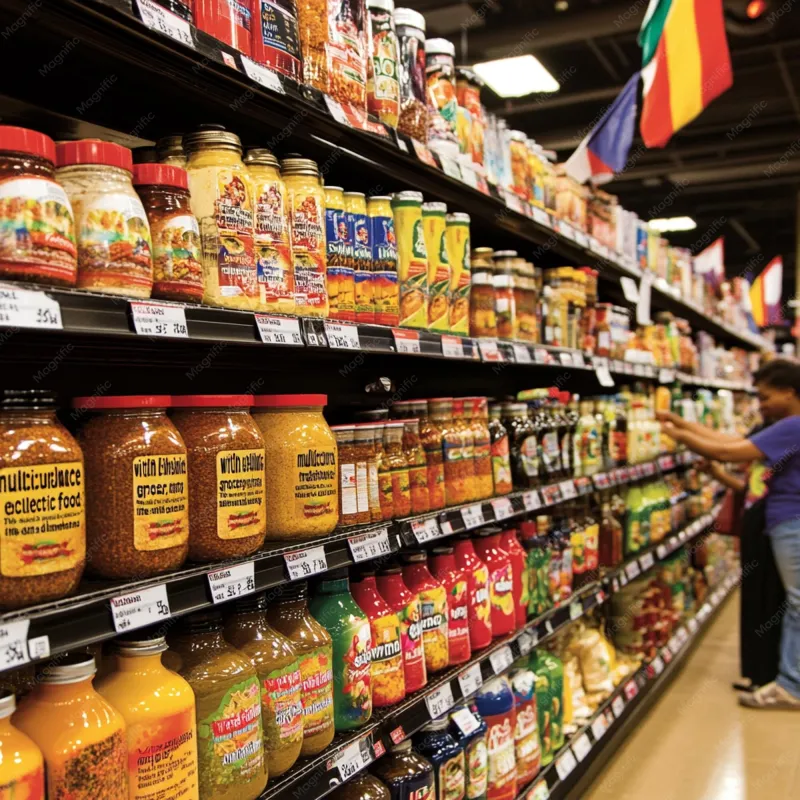
Photo: colorful international grocery store aisle with exotic produce and shoppers browsing, via img.freepik.com
Here's a travel hack the guidebooks keep missing: some of the best cultural immersion in America costs nothing, requires no reservations, and hands you a free sample at the door.
International grocery stores are the country's most under-appreciated attractions. They're part market, part museum, part community center — places where you can taste your way through three continents before lunch and leave with a new favorite snack and, if you play it right, a new friend. Here are twelve worth building a Saturday around.
The Gulf Coast
1. Houston's Vietnamese superstores (Bellaire Boulevard). Houston's Asiatown markets are practically airports for your senses. Live fish tanks, a produce section that reads like a botany exam, and aisles of rice noodles in more widths than you knew existed. Must-try: banh mi from the in-store deli and a cold che (sweet dessert drink) from the fridge case. Go hungry on a weekend morning when the food stalls are buzzing.
2. New Orleans' Vietnamese markets in Village de l'Est. Just minutes from the Lower Ninth Ward, this community's markets are famous for herbs you won't find in any big-box store. In spring, ask about the lemon grass and pennywort — and if you see elders selling homegrown produce outside, that's the real farmers market.
The Southwest
3. Phoenix's Asian mega-markets. These cavernous stores span Chinese, Vietnamese, and Filipino pantries under one roof. Must-try: fresh soy milk, hot from the machine, and taro anything. Sampling etiquette: the bakery section often hands out pieces — take the offer, and compliment loudly.
4. El Paso's border markets. Pan dulce by the tray, chiles ristras hanging like holiday lights, and the best fresh queso fresco north of the Rio Grande. Bring cash for the smaller carnicerías and prepare to be adopted by someone's abuela in the tortilla line.
The Midwest
5. Minneapolis's Somali malls and markets. The Cedar-Riverside corridor and the Karmel Mall area are unlike any "mall" you've visited — part shopping center, part town square. Must-try: sambusas (crispy, spiced pastries) and Somali spiced tea. Ask questions; vendors are famously proud to walk newcomers through the spice aisle.
6. Chicago's Devon Avenue (Indian and Pakistani groceries). A single stretch of the North Side holds the subcontinent's entire pantry. Must-try: fresh paneer, jalebi from a sweets shop, and a mango lassi so thick a spoon stands in it. Weekend afternoons bring the liveliest crowds and the best samples.
7. Detroit's Dearborn markets. Home to one of the largest Arab American communities in the country, Dearborn's groceries are a masterclass in Middle Eastern ingredients. Must-try: fresh pita still warm from the oven, za'atar by the pound, and shawarma from the attached counter. Free samples of olive oil with a bread cube? Yes, please.
The Coasts
8. New York City's Chinatown and Flushing markets. Flushing's Chinese megastores are a full-day event — food courts in basements, produce you've never seen, and a snack aisle that's a destination in itself. Must-try: hot soy milk and scallion pancakes from vendors steps from the registers.
9. Los Angeles' Koreatown markets. The big Korean markets here turn grocery shopping into entertainment: sample stations, an entire wall of kimchi varieties, and food courts serving bindaetteok (mung bean pancakes) that justify the trip alone. Weekend demos are common — linger, learn, taste.
10. San Francisco's Bayview African markets. Explore markets serving the Bay's West African and Caribbean communities — fufu flour, scotch bonnet peppers, smoked fish, and gari in every grind. Must-try: a homemade meat pie from any bakery case that looks like your aunt made it.
11. Miami's Little Havana mercados. Part grocery store, part café, part social club. Must-try: a cafecito at the ventanita, fresh tropical fruit like mamey and guanábana, and Cuban crackers with butter. The regulars at the coffee window will happily tell you what to order.
12. Seattle's International District markets. A compact but mighty cluster of Asian groceries where the seafood counter is the main event. Must-try: fresh mooncakes when the season hits, and any bento from the deli that a local grandma is also buying.
How to Shop Like a Regular
A few ground rules for first-timers: ask before photographing people, always. Accept samples graciously — and know that "what is this?" is the single best conversation starter in any language. Bring cash for smaller shops, reusable bags for produce, and humility for the checkout line. And if a vendor offers to explain something you've never heard of? Say yes. That offer is the whole point.
Because that's the real magic of these stores. In an era when we're told how divided we are, the grocery aisle keeps quietly proving otherwise — one sambusa, one warm pita, one patient explanation at a time. The friendliest place in America, it turns out, might be the spice aisle.