Browse, Stay, Belong: Inside the Diaspora Bookstores Turning Shelves Into Living Rooms

Photo by Photo by Khanh Do on Unsplash on Unsplash
On a Saturday afternoon in Queens, the front table of a small bookstore is doing the work of a welcome mat. There are picture books in Spanish and English. A stack of novels by Caribbean writers. A handmade sign for a poetry reading that started twenty minutes ago. Nobody is rushing anyone out. A kid is reading on the floor. An older man is asking about a title he remembers from home. The owner is making tea in the back.
This is not a rare scene. Across the country, independent bookstores that specialize in diaspora literature, bilingual children’s books, and community programming are functioning as something more than retail. They are cultural living rooms. They are places to browse, yes, but also places to linger, ask questions, and hear your name pronounced correctly.
The Front Table Is a Welcome Mat
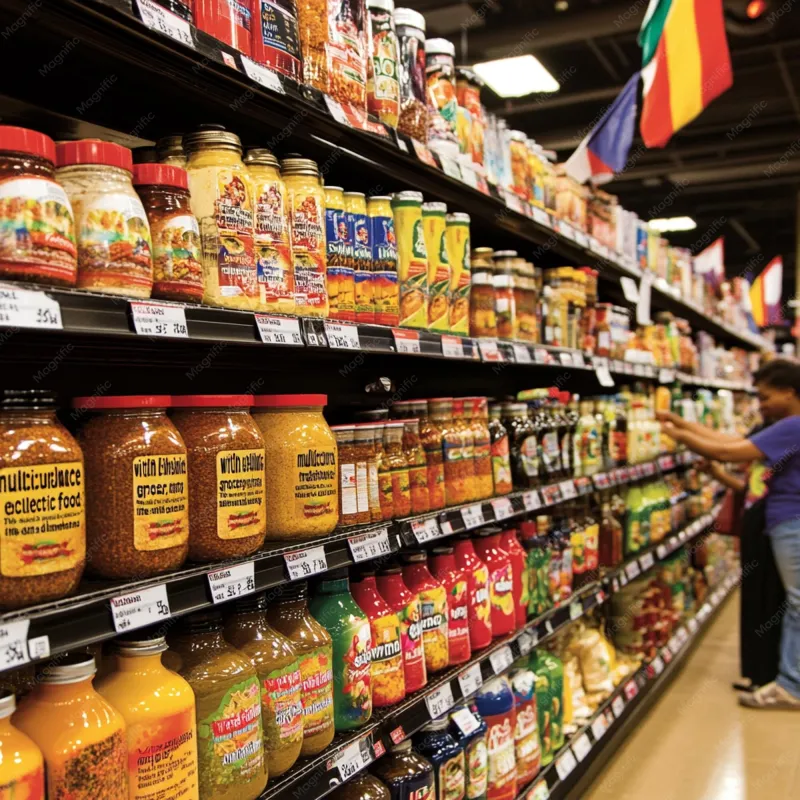
The first thing a good diaspora bookstore does is refuse to make you feel like a tourist. The displays are not arranged like an anthropology exhibit. They are arranged like a conversation. A cookbook sits next to a memoir. A bilingual board book sits next to a novel about migration. The message is simple: these stories belong together, and so do you.
That curatorial work matters in a country where the publishing industry still often treats nonwhite, non-English stories as a niche. A shelf can correct that story for a few square feet. It can say: your family’s language is not a specialty item. Your history is not a bonus chapter.
The Bilingual Kids’ Shelf
Ask parents what brings them in and many mention the children’s section. Bilingual books can be expensive and hard to find in big-box stores. A dedicated shelf changes the math. A grandmother can buy a book she can read to her grandchild. A kid can see their home language printed in a story that is funny and silly and not only about trauma.
That last part is important. Diaspora literature is not only about pain, and neither are diaspora bookstores. The best shops stock joy too: trickster tales, bedtime books, comics, cookbooks, romance. Belonging is not just a serious project. It is also a pleasure.
Events Are the Real Inventory
The calendar is where a bookstore becomes a neighborhood institution. A bilingual story hour. A writing workshop for teens. A panel on immigration and food. A book club that meets after work. These events do not always sell out, but they build the kind of loyalty that keeps a small business alive.
They also turn browsing into gathering. People come for the author talk and leave with a novel. They come for the kids’ craft table and stay for a conversation with another parent. In a country where loneliness is a public health conversation, the humble bookstore event is doing quiet work.
The Economics of Belonging
None of this is easy. Rent is high. Margins are thin. Online retailers can undercut almost anything. Diaspora bookstores often carry titles that sell slowly because the audience is specific. Owners have to be curators, event planners, social workers, and small-business accountants at the same time.
That is why supporting these spaces is not just a feel-good errand. It is a practical way to keep a neighborhood’s intellectual life diverse. Buying a book is good. Buying a book and showing up for the reading is better. Becoming a regular is better still.
A Stop on the Neighborhood Itinerary
If you are the kind of traveler who plans around food and festivals, add a bookstore to the route. Not as a rainy-day backup. As a real destination. A diaspora bookstore can tell you what a neighborhood is reading, arguing about, and celebrating. It can point you toward a restaurant, a community center, a festival you would have missed.
In 2026, the best cultural travel is often indoors, between shelves, with a cup of tea and a stack of books you did not plan to buy. The souvenir is a story. The landmark is a room where someone felt at home.
Why Browsing Is a Form of Care
Browsing is slow. That is the point. In a feed-driven world, a bookstore asks you to stand still and let a cover catch your eye. It asks you to read the first page. It asks you to be a little curious about a story that is not yours, or a little relieved to find one that is.
That is the mosaic approach in miniature. Not a melting pot. Not a monoculture. A shelf where different stories sit side by side without erasing each other. The name on the door matters. So does the person who walks through it. Diaspora bookstores are curating belonging one shelf at a time, and they are leaving the light on.