Holding On to Hello: The Families Refusing to Let Their Mother Tongues Disappear in America
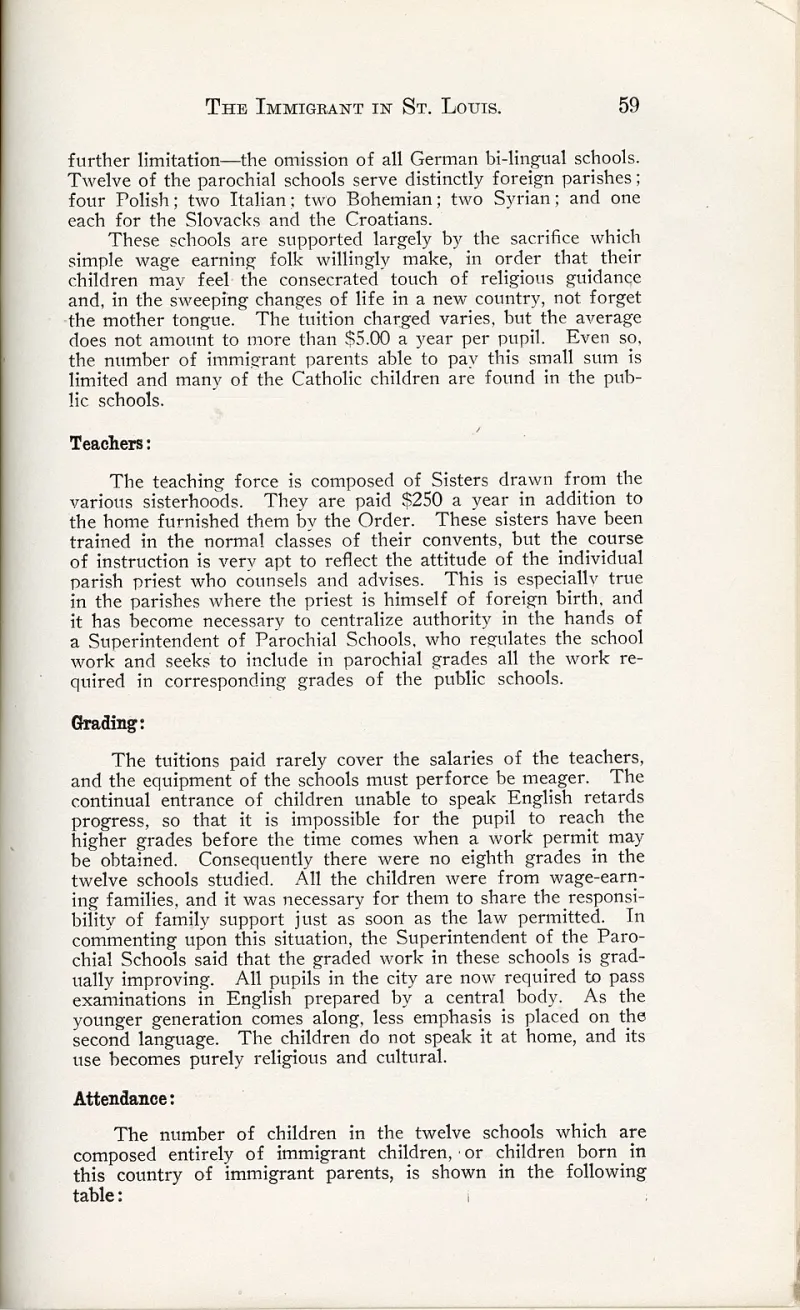
Photo: Crawford, Ruth, Public domain, via Wikimedia Commons
There's a moment a lot of immigrant parents know all too well. Your kid comes home from school one afternoon, and you say something to them in Punjabi, or Amharic, or Vietnamese — and they answer you in English. Not because they're being disrespectful. Just because English is where they live now, where they feel easy and at home. And something small but significant shifts inside you.
For millions of families across the US, that moment is a starting gun. Not a moment of defeat, but a call to action. Because losing a language isn't just losing vocabulary — it's losing a bridge to grandparents, to stories, to a whole emotional register that English simply can't replicate. And more and more, families are fighting back with everything they've got.
The Stakes Are Real — and They're Personal
Linguists have a term for what happens when immigrant children shift entirely to the dominant language within a generation or two: language attrition. It's common. It's well-documented. And for many families, it feels like a quiet kind of grief.
"When my daughter couldn't understand my mother on a video call, I saw something break in my mom's face," says Priya, a Tamil immigrant living in the Dallas-Fort Worth area. "That was the moment I realized I had been too relaxed about this. Tamil isn't just a language in our family — it's how we love each other."
Priya is now one of dozens of parents in her area who participate in a weekend Tamil language circle, where kids from toddler age through middle school gather to speak, sing, and sometimes just hang out in the language their families brought from South India. The sessions mix structured lessons with cooking demos, dance, and Carnatic music — because, as the organizers put it, you can't teach a language in a vacuum. You have to teach the life that lives inside it.
Apps, Abuelas, and Everything In Between
The toolkit modern families are using to preserve their languages is genuinely impressive — and pretty inventive.
Technology has become a major player. Apps like Duolingo have popularized language learning broadly, but many communities have gone further, building their own digital resources tailored to specific languages and dialects. There are YouTube channels teaching Haitian Creole through cooking shows, TikTok accounts where Hmong elders tell folk tales with subtitles, and WhatsApp groups where Somali parents in Minneapolis share weekly vocabulary challenges for their kids.
But plenty of families will tell you that no app beats a grandparent. For many households, the most powerful language preservation tool is a deliberate, structured relationship between children and older relatives — whether those relatives are in the same city or halfway around the world on a tablet screen.
Marcos, a Mexican-American father in Chicago, made a pact with his own parents back in Oaxaca: every Sunday call is conducted entirely in Zapotec, an Indigenous language that is itself endangered even in Mexico. "My kids groan about it sometimes," he laughs. "But then my dad will tell them a story, or my mom will teach them a word for something that doesn't exist in English, and you can see it land. You can see them get it."
Building Community Around the Mother Tongue
One of the most powerful strategies families are using isn't happening at home at all — it's happening in community spaces. Cultural playgroups, heritage language schools, and neighborhood language exchanges are popping up in cities from Atlanta to Seattle, creating environments where speaking a non-English language isn't just tolerated but celebrated.
In the Bay Area, a Tagalog immersion playgroup called Mahal Kita Playgroup — the name means "I love you" in Filipino — meets twice a week in a community center in Daly City. Founded by three Filipino-American moms who were tired of their kids defaulting to English the second they left the house, the group now has a waitlist. Children play, snack, and argue over toys entirely in Tagalog, while parents connect, swap resources, and occasionally argue a little themselves about which regional dialect to prioritize.
"We're not trying to be a classroom," says co-founder Ate Lena. "We just want the kids to feel like Tagalog is normal. Like it belongs here, in America, in their mouths."
This sense of normalization — making a heritage language feel like a living, relevant part of American life rather than something old-fashioned or foreign — comes up again and again when you talk to families doing this work.
The Emotional Architecture of Language
There's a body of research suggesting that people often access deeper emotional experiences in their first language — that the language you learn as a child is wired differently in the brain, connected to memory, identity, and feeling in ways a second language rarely is. Parents who've lived this know it intuitively.
"When I'm sick, I want to be spoken to in Arabic," says Nadia, a Jordanian-American woman in Dearborn, Michigan, who is now raising her own three kids bilingually. "I want to comfort my children in Arabic too. I want them to have that. I want them to be able to fall apart in their own language."
That emotional dimension is what makes language preservation feel so urgent — and so personal. It's not about politics or ideology. It's about the texture of intimacy. It's about being able to say something true.
What Gets Lost, and What Gets Saved
Not every family succeeds. Language shift is powerful, and English is everywhere — in schools, on screens, in friendships, in ambition. Some kids resist. Some parents, exhausted by the daily grind of immigration life, don't have the bandwidth to fight this particular battle. And that's real, and it deserves acknowledgment.
But what's also real is the growing, scrappy, deeply human network of families who are refusing to let the thread break. Who are building apps and playgroups and Sunday call rituals and kitchen-table tutoring sessions, all in service of something that can't be quantified but absolutely can be felt.
Language is how a culture breathes. And across America, in living rooms and community centers and group chats and video calls, families are keeping that breath going — one word, one story, one stubborn Sunday morning at a time.
At The Mosaic Hub, we believe every tile in the mosaic matters. And language? Language is the grout that holds the whole thing together.