Scroll, Watch, Remember: How African and Caribbean Creators Are Turning Feeds Into Living Archives
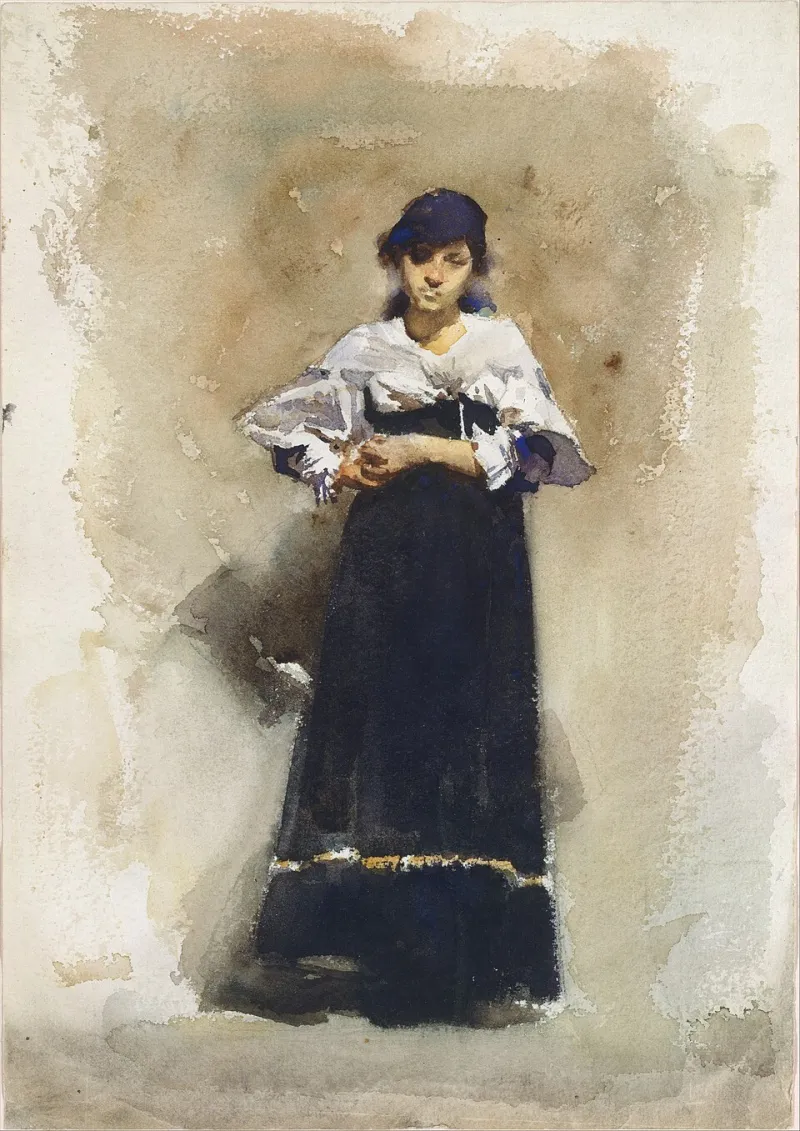
Photo: John Singer Sargent, CC0, via Wikimedia Commons
There's a Yoruba word — àṣà — that loosely translates to culture, tradition, or the way things have always been done. For centuries, àṣà was passed down the old-fashioned way: through spoken word, through song, through the particular way an elder's eyes lit up when they launched into a story after dinner. Then came the algorithm.
Across TikTok and YouTube, a new generation of Black creators with roots in Nigeria, Ghana, Jamaica, Trinidad, Haiti, and beyond are doing something quietly extraordinary. They're not just making content. They're building digital archives of living culture — translating the oral tradition into a format that can reach a teenager in Atlanta just as easily as a grandmother in Accra.
The Griot Goes Viral
In West African cultures, the griot (also known as jeli or gewel depending on the region) is the community's memory keeper — a historian, musician, and storyteller rolled into one. The role was never just about entertainment. It was about preservation, about making sure the past survived into the future.
That spirit is very much alive in creators like Adaeze Okonkwo, a 26-year-old Nigerian American based in Houston who runs a YouTube channel dedicated to Igbo folklore. What started as a pandemic project — filming herself retelling stories her grandmother shared over WhatsApp voice notes — has grown into a channel with tens of thousands of subscribers, many of them second-generation Nigerians who grew up in the US and never had consistent access to those stories in the first place.
"My grandmother can't come to Houston," Adaeze says. "But her stories can. That's the whole point."
She's careful to contextualize each video, explaining not just the plot of a folktale but the cultural logic behind it — why certain animals appear as tricksters, what moral frameworks are embedded in the narrative, how the story shifts depending on which community is telling it. It's oral tradition with footnotes, and her audience is hungry for exactly that.
Short-Form, Long Memory
On TikTok, the format demands compression, but that hasn't stopped Caribbean creators from making every second count. Creators from Haitian, Jamaican, and Trinidadian backgrounds have carved out distinct corners of the app where they break down everything from Creole proverbs to the spiritual significance of Carnival costumes — in under three minutes.
Marcel Joseph, a Haitian American creator from Miami, posts weekly videos unpacking Haitian pwovèb — proverbs that carry layers of meaning often lost in direct translation. His most viral post, which explained the proverb "Deye mon gen mon" (Beyond mountains, more mountains) in the context of the Haitian immigrant experience, hit over two million views and flooded his comments with diaspora members sharing how they'd heard that exact phrase from their parents without ever fully understanding its weight.
"People were tagging their moms, their aunties, their cousins," Marcel recalls. "It became this whole reunion in the comments section. That's when I realized this wasn't just content. It was community infrastructure."
The Algorithm as Unexpected Ally
For all the very legitimate criticism of social media platforms — their inconsistent moderation, their tendency to amplify controversy over nuance — creators in this space are finding that the algorithm, when it works in their favor, can do something remarkable: introduce cultural narratives to audiences who would never have sought them out.
Non-Black, non-diaspora Americans regularly show up in the comment sections of these videos, expressing genuine curiosity. A video about the Anansi spider stories of the Akan people of Ghana might land on the For You Page of a college student in Ohio who's never heard the name before. A TikTok explaining the call-and-response tradition in Caribbean music might spark a hours-long deep dive for someone who thought they already knew everything about reggae.
This kind of organic cultural education is hard to manufacture, and creators are increasingly aware of the responsibility that comes with it. Many are deliberate about accuracy — consulting elders, citing sources, and flagging when a story has regional variations. The goal isn't just virality. It's integrity.
Preservation With Purpose
What separates these creators from general pop-culture commentators is intentionality. Many of them grew up straddling two worlds — raised in American cities while being shaped by cultures their parents and grandparents carried across oceans. The fear of cultural erosion is personal for them.
Imani Clarke, a Jamaican American creator based in Brooklyn, started her YouTube series after her grandfather passed away and she realized she'd never recorded any of his stories. "He knew things about our family, about Jamaica, about how people used to live — and it just went with him," she says. "I couldn't let that happen again."
Her channel now features long-form interviews with elders in her community, structured around specific cultural themes: foodways, music, spiritual practices, migration stories. She films them the way a documentarian would, but she distributes them the way a creator does — with thumbnails, chapter markers, and community posts that keep her audience engaged between uploads.
"I think about it like building a library," Imani explains. "Except the library is free, it's searchable, and it fits in your pocket."
Where Tradition Meets Technology
There's something genuinely moving about watching a centuries-old storytelling tradition adapt to a vertical video format without losing its soul. These creators aren't dumbing anything down. If anything, they're adding layers — bringing historical context, personal reflection, and community dialogue into spaces that oral tradition alone couldn't reach.
For diaspora communities scattered across American cities, these channels serve a deeply practical function. They're places to feel seen, to remember, to reconnect with something that might have frayed in the transition from one country to another. For curious outsiders, they're an invitation into worlds that have always been rich and complex — just not always visible in mainstream American media.
The elders who are the sources of these stories often don't have TikTok accounts. But their grandchildren do. And in that relay — from memory to voice to camera to feed — something ancient is finding a way to survive.
The griots have always adapted. This is just the latest version of the craft.